 Hrishikesh Srinagesh is a former student in the PORTAL (joint MD/MSCR) program, and was funded during his PORTAL Scholarly Year as a ConduITS CTSA funded TL1 Pre-doc trainee (2018-2019). He graduated from the Icahn School of Medicine at Mount Sinai in May, 2020. His awards include: Distinguished oral abstract at ACTS 2019: ACTS 2019; Peer Choice Poster Competition Award- Outstanding Poster – 1st prize; American Society of Hematology (ASH) 2019 Medical Student Most Outstanding Abstract Achievement; ISMMS Distinction in Research Award; the 2020 Best Master’s in Clinical Research Thesis Prize and the PORTAL Thesis Award in Clinical Research.
Hrishikesh Srinagesh’s mentor was James Ferrara, MD. He will be pursuing his internship and residency in Internal Medicine at the prestigious Stanford University, July 1, 2020, where he will continue his medical training.
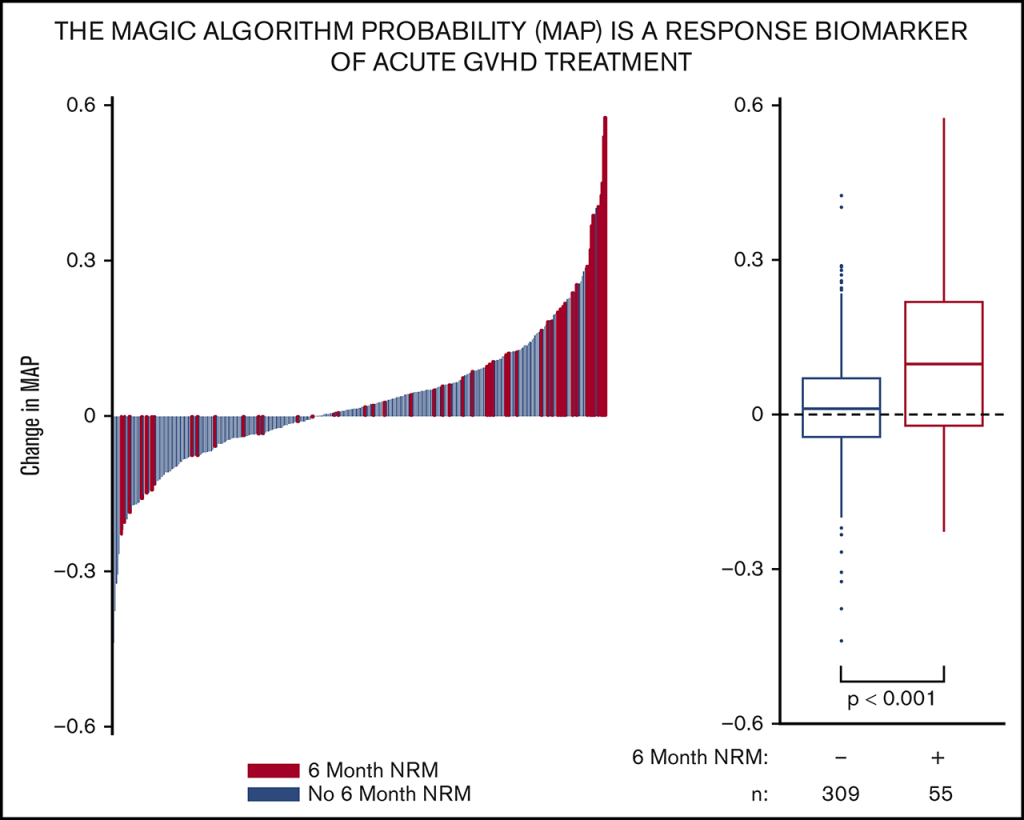
Biomarkers of graft-versus-host disease to measure response to treatment. Hematologic malignancies can be cured by allogeneic hematopoietic cell transplantation, but this treatment comes with the risk of acute graft-versus-host disease (GVHD), a potentially lethal complication. The change in clinical metrics such as the extent of skin rash and volume of diarrhea, known as clinical response, is widely used to guide therapeutic decisions and is the primary endpoint for most trials of GVHD treatment. However, clinical response is only a modest predictor of long-term outcomes and therefore better measures are needed. Recently, the Mount Sinai Acute GVHD International Consortium (MAGIC) validated an algorithm probability (MAP) based on the serum concentrations of two biomarkers of gastrointestinal GVHD (ST2 and REG3a). The MAP predicts long-term outcomes when measured at single timepoints. Mr. Srinagesh’s thesis evaluated whether the MAP functions as a response biomarker, or one whose level changes in response to treatment. His work showed that the change in MAP more accurately predicted long-term survival than clinical response in patients treated for acute GVHD. In fact, biomarker levels after one week of treatment provided more accurate predictions than clinical response after four weeks. These findings support the inclusion of biomarkers as novel clinical trial endpoints and the clinical utility of repeated biomarker measurements in patients undergoing treatment for acute GVHD. These results were presented at the 61st Annual Meeting of the American Society of Hematology and published in Blood Advances (Blood Advances (2019) 3 (23): 4034–4042).